
What is Atypical Anorexia?

Atypical Anorexia is a nuanced and often misunderstood eating disorder that challenges traditional perceptions of Anorexia nervosa. This condition highlights the critical importance of recognizing that eating disorders do not always present themselves in predictable ways, emphasizing the need for a broader understanding and awareness. In this blog, we aim to shed light on atypical…
Navigating Halloween in Eating Disorder Recovery

Halloween can pose unique challenges for those in eating disorder recovery. A holiday centered around candy, sweet treats and costumes can trigger anxiety and urges to use disordered behaviors. For individuals working hard to maintain recovery, it can feel challenging to set boundaries to prioritize your well-being. Balancing the fun of Halloween with recovery commitments…
Application of IFS in Eating Disorder Treatment and Recovery

Internal Family Systems (IFS) therapy offers a unique approach to understanding and healing the complex relationship between individuals and their eating disorders. By exploring the various “parts” of the self, IFS helps individuals identify and address underlying emotional issues, leading to healthier relationships with food, body image, and self-worth, ultimately paving the way for lasting…
Practicing Self Compassion On The Eating Disorder Recovery Path

When you think of recovery from an eating disorder you may think of therapy appointments, supported meals with other those in your treatment program, process groups, and diving into your copy of Intuitive Eating with your dietitian. While these components are important stepping stones to freedom from your eating disorder, the most important ingredient may…
Exploring The Connection Between Self-Harm & Eating Disorders

by Emily Costa Eating disorders and self-harm are both complex mental health issues that sadly affect a significant percentage of the global population. According to one report, 9% of the U.S. population, or 28.8 million Americans, will have an eating disorder in their lifetime, while self-harm affects in 17.2% of people, most commonly amongst those…
5 Steps To Protect Your Eating Disorder Recovery In The New Year

As the excitement of a New Year approaches, with it comes an intense wave of diet culture. This may come in the form of bombarding social content and advertisements promising fresh starts and transformational changes, or family and friends talking non-stop about their new diet. For those in eating disorder recovery, this time can be…
Navigating Thanksgiving: A Guide For Those In Eating Disorder Recovery
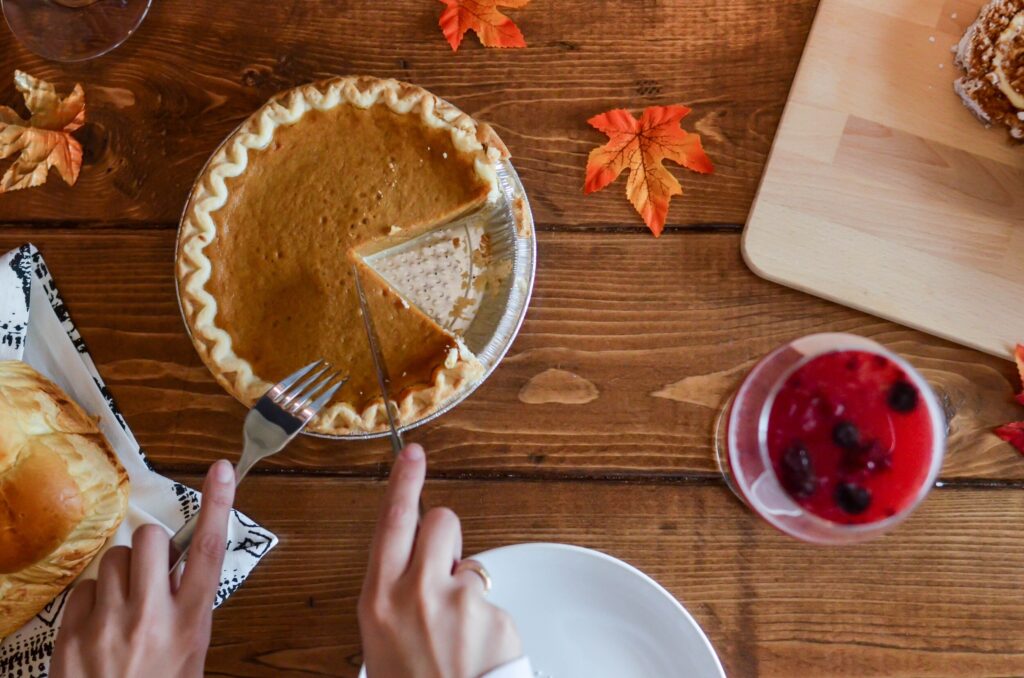
As the season of abundance and gratitude, Thanksgiving can bring about a mixed bag of emotions for those navigating through eating disorder recovery. This time of year is often centered around food, making it particularly challenging for individuals working towards overcoming their struggles with food and body image. However, with the right approach and preparation,…
The Intricate Link Between Shame And Eating Disorders

First Things First: What is Shame? Shame is a complex emotion often characterized by a sense of worthlessness, self-doubt, and inadequacy. It’s more than just feeling embarrassed or guilty about a specific action; it’s a profound feeling that one is fundamentally flawed or inadequate as a person. Importantly, shame tends to be internalized, leading individuals…
The Role Of Social Media In Eating Disorder Development

Eating disorders occur when one’s eating behavior is altered in a manner that adversely affects their mental and/or physical health. Experts have found significant evidence that links social media use with the onset or perpetuation of eating disorders. A variety of studies and sources have indicated that the rising number of individuals struggling with eating…
The Connection Between Trauma and Eating Disorders
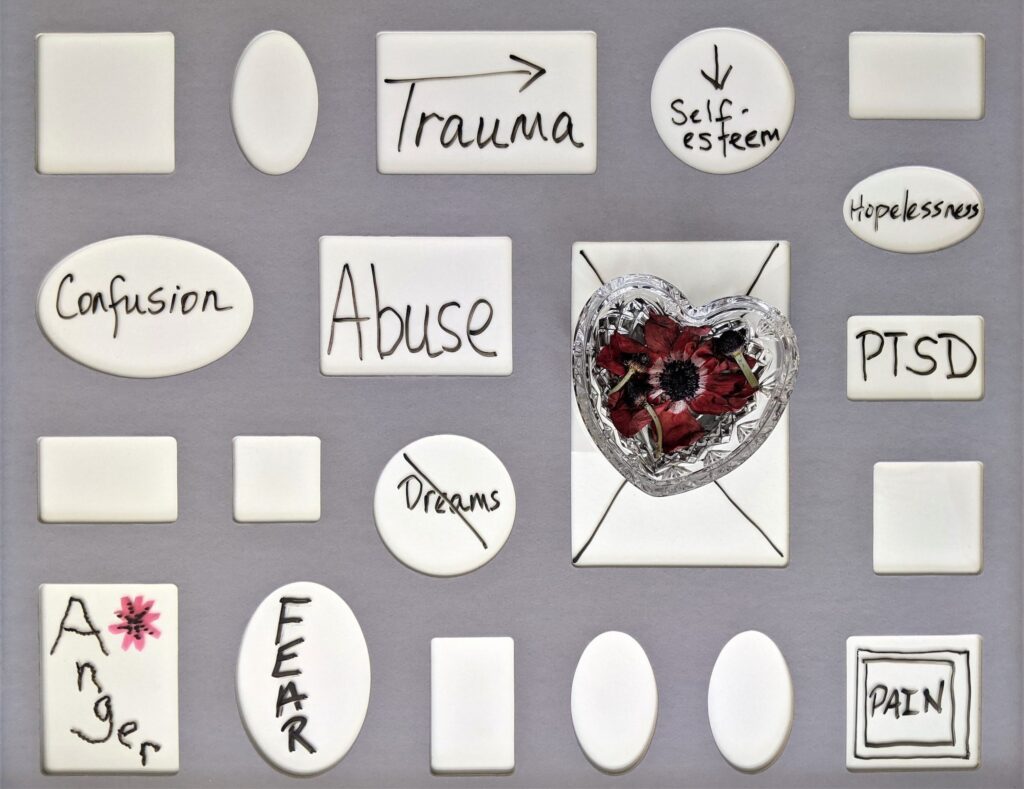
Eating disorders are complex conditions that could affect people of all ages, genders, and backgrounds, with trauma being considered as one of its leading contributing factors. Studies have shown that individuals with a history of physical and/or psychological trauma are more susceptible to developing disordered eating behaviors in their life as compared to individuals with…